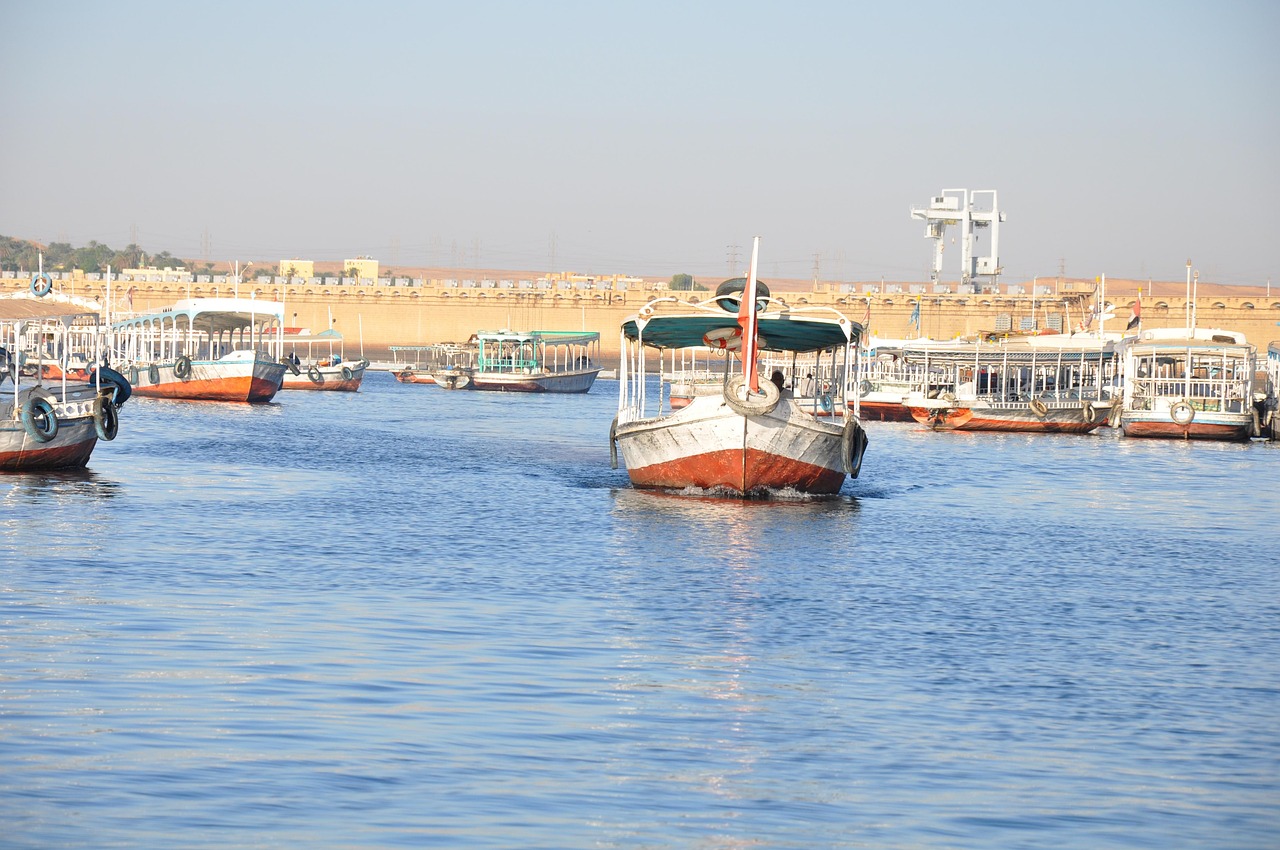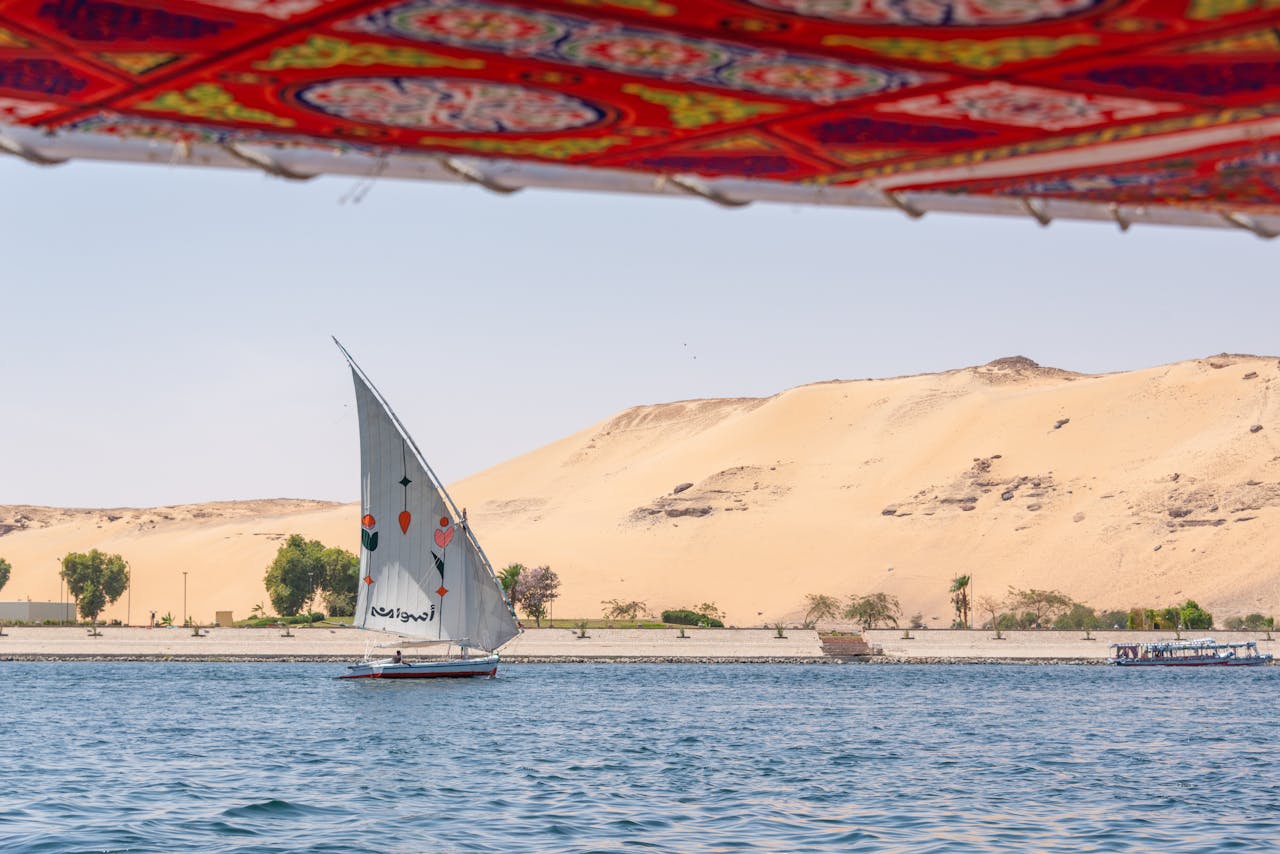
A Nile River cruise is an opportunity to journey through thousands of years of history. Floating down this legendary waterway, you will see ancient temples and vibrant modern cities side-by-side. The scenery of the riverbanks, from green farmlands to vast desert sands, provides a backdrop to the monuments that have stood for millennia. This guide offers insight into what you can expect from this remarkable experience.
Top Destinations Along the Nile
Most Nile cruises travel between Luxor and Aswan, stopping at several significant historical sites along the way. In Luxor, often called the world’s greatest open-air museum, you can visit the Karnak Temple complex. This sprawling site was developed over centuries and is dedicated to the Theban triad of Amun, Mut, and Khonsu. On the west bank lies the Valley of the Kings, the burial ground for pharaohs like Tutankhamun, where you can explore elaborately decorated tombs.
Further south, the city of Aswan offers a different atmosphere. Here, you can visit the High Dam, an engineering marvel that controls the river’s flow. Another key attraction is the Philae Temple, which was relocated to Agilkia Island to save it from the rising waters of Lake Nasser. A felucca ride around Elephantine Island at sunset is a peaceful way to end a day of exploration. Between these two cities, cruises often stop at the temples of Edfu and Kom Ombo, each providing a deeper look into ancient Egyptian beliefs and architecture.
What to Expect On Board
Nile cruise ships offer a comfortable and convenient way to see the sights. Accommodation typically consists of cabins with private bathrooms and windows offering views of the river. Most vessels feature a sundeck with a swimming pool, providing a place to relax and watch the scenery go by. Dining is usually a buffet-style affair, with a mix of international and local Egyptian dishes available. In the evenings, you can expect some form of entertainment, such as a traditional belly dancing show or a Galabeya party where guests can dress in local attire. The pace is generally relaxed, allowing you to absorb the history and culture without feeling rushed.
Planning Your Cruise
To make the most of your trip, some planning is necessary. The best time to take a Nile cruise is between October and April, when the weather is cooler and more pleasant for sightseeing. During the summer months, temperatures can be extremely high, making daytime excursions challenging.
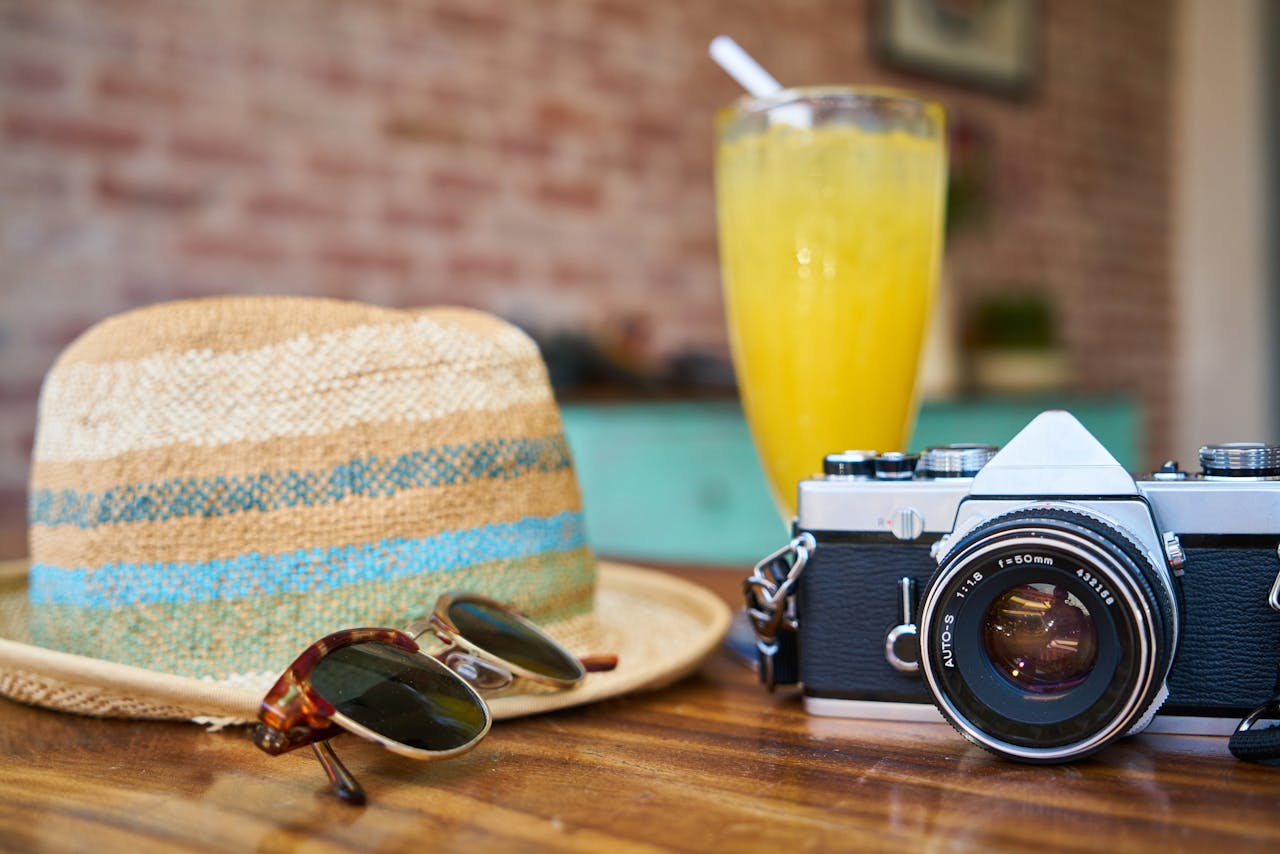
When packing, lightweight cotton clothing is ideal for the daytime. You will want to include comfortable walking shoes for exploring the ancient sites. It is also important to bring sunscreen, a hat, and sunglasses to protect yourself from the sun. For the evenings on board and for visiting religious sites, it is a good idea to have more modest clothing options.
There are many different cruise operators, offering everything from standard vessels to luxurious ships. Reading reviews and comparing itineraries can help you find a cruise that fits your budget and interests. Booking through a reputable travel agent can also provide peace of mind and assistance with your arrangements.
The Enduring Appeal of the Nile
A journey down the Nile is more than just a holiday; it is an immersion in a rich and ancient culture. The combination of historical discovery, beautiful landscapes, and the comfort of a cruise makes for an unforgettable experience. You will leave with a greater appreciation for Egypt’s past and present, having witnessed its wonders from a special vantage point on the river that has sustained it for ages.