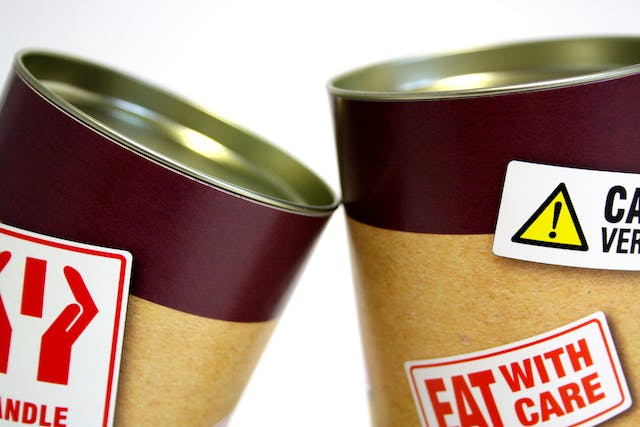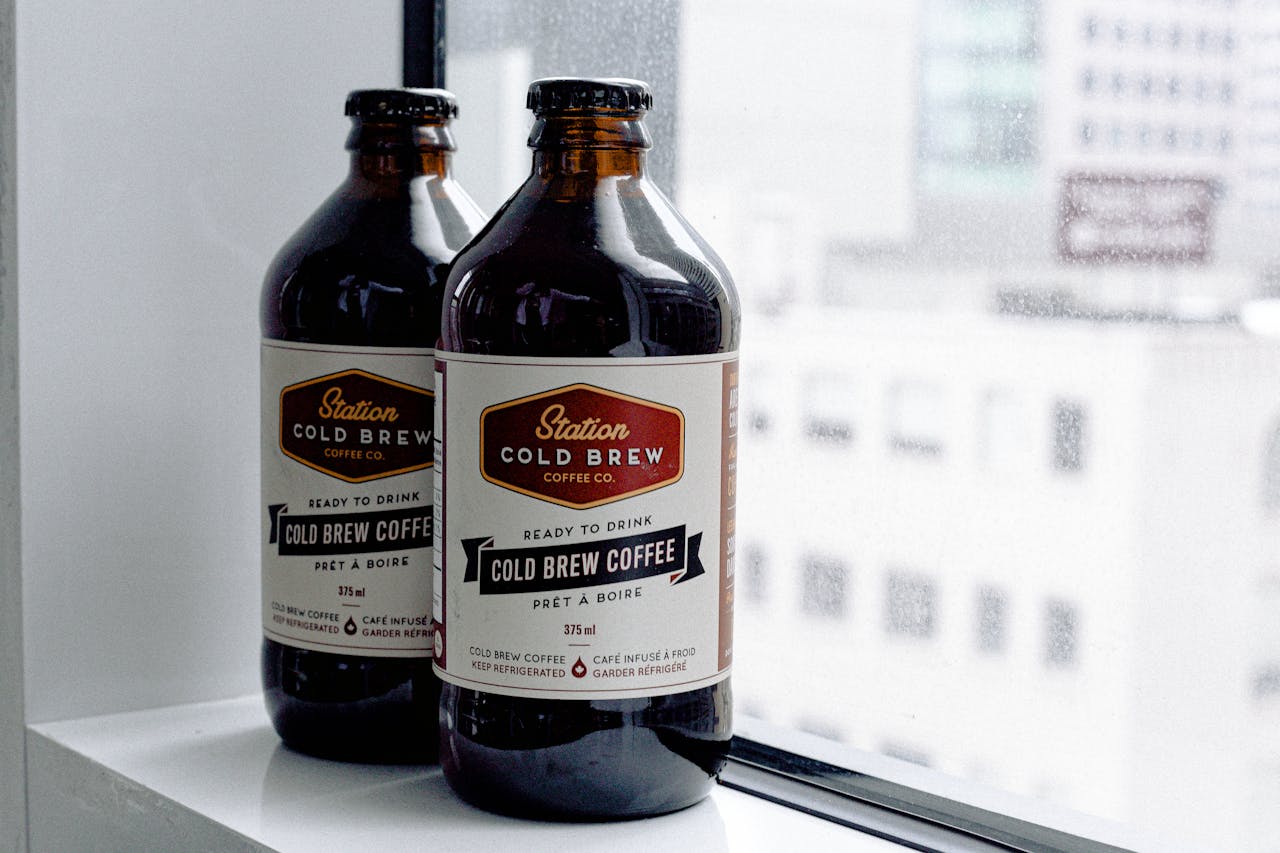
Custom labels are more than just a way to put a name on an item. They serve as a vital tool for businesses, helping to organise products, reinforce brand identity, and present a professional image. Think of them as the silent salesperson for your product, communicating essential information and brand values at a glance. Understanding how to use them effectively can make a significant difference to how your products are perceived.
The Advantages of Using Custom Labels
One of the most immediate benefits of using custom labels is improved organisation. For businesses managing large inventories, clear and consistent labelling helps in tracking stock, reducing errors in shipping, and streamlining warehouse operations. A well-organised system saves time and resources, which directly impacts your bottom line.
Beyond logistics, custom labels are a cornerstone of effective branding. They provide a space to display your logo, brand colours, and other visual elements that help customers recognise your products instantly. Consistent branding across all your items builds familiarity and trust, encouraging repeat purchases. When a customer sees your distinct label, they should immediately associate it with the quality and experience you offer.
Furthermore, a well-designed label enhances the professional appearance of your products. It signals to consumers that you care about the details, which can influence their perception of your product’s quality. Whether on a shop shelf or in an e-commerce photo, a polished label makes your product stand out from competitors.
Types of Custom Labels
There is a wide variety of labels available, each suited for different applications. Sheet labels are a popular choice for small to medium-sized businesses as they can be printed on standard office printers. Roll labels are better for high-volume applications, as they are compatible with automatic applicators.
Die-cut labels can be produced in any shape you desire, offering creative freedom for your branding. For products exposed to moisture or harsh conditions, waterproof or vinyl labels offer durability. Other options include metallic labels for a premium look, and transparent labels that allow the product to be seen through the packaging.
Designing Effective Custom Labels
A successful label design is both attractive and functional. Your design should align with your brand’s visual identity, using consistent colours, fonts, and imagery. The logo should be prominent, but not so large that it overwhelms other important information. The overall aesthetic should reflect the nature of your product; for example, a natural skincare product might use earthy tones and minimalist design.
When deciding what information to include, prioritise clarity. Essential details such as the product name, ingredients, weight or volume, and any required warnings must be legible. You might also add your website, social media handles, or a QR code to encourage further customer engagement. Keep the text concise to avoid a cluttered look.
Printing Options for Custom Labels
Several printing methods are available, each with its own benefits. Digital printing is ideal for small runs and complex, colourful designs, offering flexibility and quick turnaround times. Flexographic printing is more cost-effective for large quantities and uses flexible plates to transfer ink, suitable for simpler designs on various materials. Offset printing provides high-quality results for very large volumes but involves a more complex setup process. The right choice depends on your budget, design complexity, and the quantity you need.
The Foundation of Product Presentation
In summary, custom labels are a fundamental component of product packaging and brand strategy. They offer practical benefits in organisation and provide a powerful platform for communicating your brand’s story. By carefully considering the type, design, and printing method, you can create labels that not only look professional but also contribute to building a strong and recognisable brand.