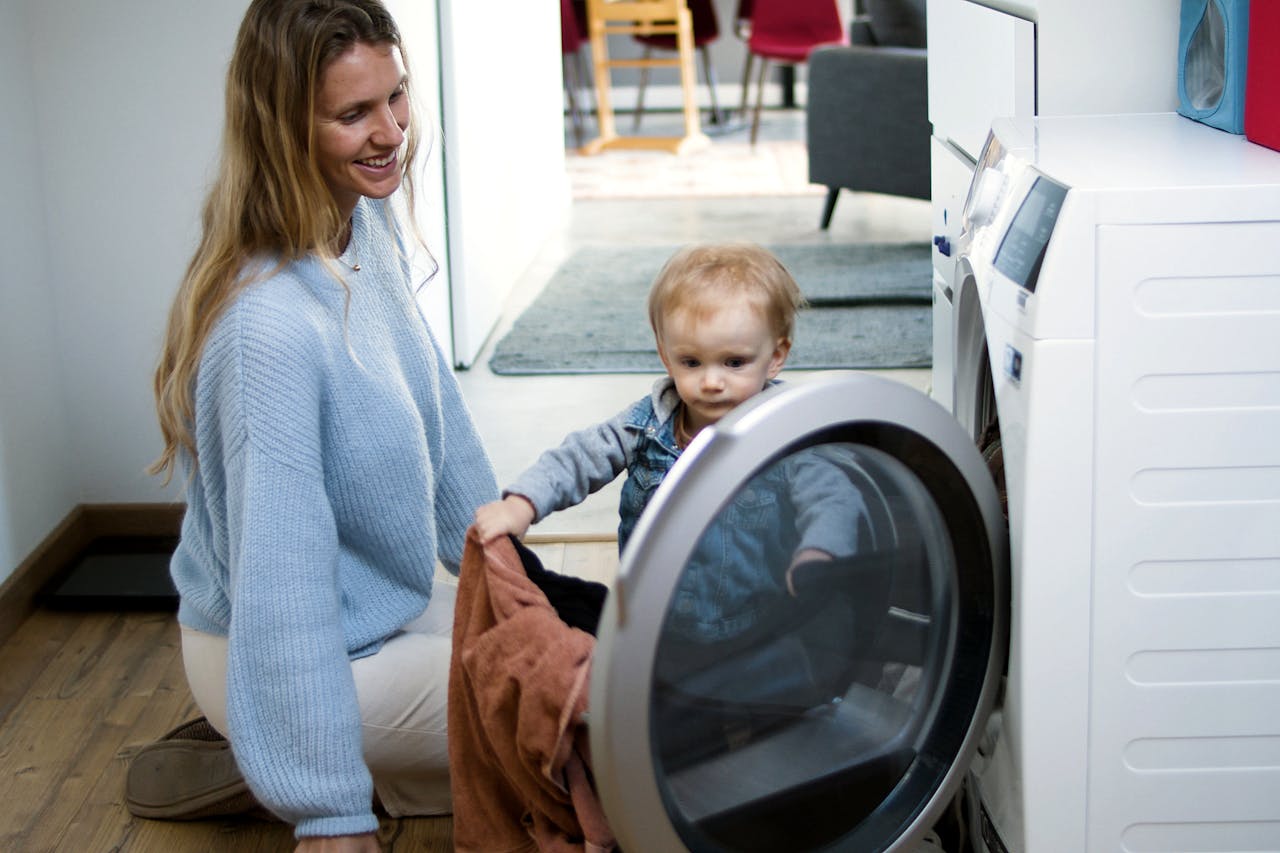
Drying clothes inside often feels like a never-ending battle against damp fabrics and humidity. Airers take up valuable floor space, and in colder months, waiting for laundry to dry can take days. An electric tumble dryer transforms this routine. It turns a prolonged chore into a quick, manageable task, giving you back your space and your time. While the upfront cost might seem significant, the convenience of having dry, warm clothes ready in under two hours creates a noticeable improvement in household efficiency.
Understanding the Different Types of Dryers
Three main categories of electric tumble dryers exist on the market, each operating differently. Understanding these distinctions helps you match the appliance to your specific home layout and budget.
Vented tumble dryers operate by expelling warm, damp air through a hose. You must install these machines near a window or an external wall vent to allow this air to escape. If you live in an apartment without external venting options, this type will not work for you. They typically cost less to purchase than other models, making them an attractive option for those on a strict budget. However, they are often less energy-efficient than their modern counterparts.
Condenser dryers offer greater flexibility regarding placement. Instead of venting moisture outside, they condense it into water and collect it in a removable container. You can position a condenser dryer in any well-ventilated room, from the kitchen to a dedicated utility space, as long as you have a power socket nearby. You will need to empty the water reservoir regularly, usually after every cycle, unless you plumb the machine directly into a drain.
Heat pump dryers represent the most energy-efficient technology available. These machines recycle hot air within the drum rather than venting it out or constantly heating new air. This process uses significantly less electricity compared to vented or standard condenser models, leading to substantial savings on utility bills over time. They operate at lower temperatures, which treats delicate fabrics with greater care. The trade-off is that drying cycles generally take longer, and the initial purchase price is higher.
Key Features That Matter
Capacity is a primary consideration. Manufacturers state drum size in kilograms of dry clothes. A 7kg drum usually suffices for individuals or couples, while a family of four will likely require a 9kg or 10kg model. Matching your dryer capacity to your washing machine allows you to transfer a full wash load directly into the dryer without separating items.
Energy efficiency ratings appear on every appliance label, ranging from A+++ down to D. Heat pump dryers frequently achieve A++ or A+++ ratings, making them the cheapest to run. Standard condenser dryers often fall into the B class. While an A+++ model costs more upfront, the reduction in electricity usage often balances the cost within a few years of ownership.
Modern dryers come equipped with varied programmes. Look for sensor drying technology, which measures moisture levels in the drum and stops the cycle once clothes reach the desired dryness. This prevents fabric damage and stops the machine from wasting energy. Anti-crease functions tumble the load intermittently after the cycle finishes, stopping wrinkles from setting in if you cannot unload the machine immediately.
Making Your Decision
Investing in a tumble dryer adds comfort and speed to your domestic life. Whether you choose the cost-effective vented model or the ultra-efficient heat pump, the right machine eliminates the clutter of drying racks and the smell of damp laundry. Assess your available space and your willingness to pay more upfront for long-term savings. With the right choice, you secure years of hassle-free drying.