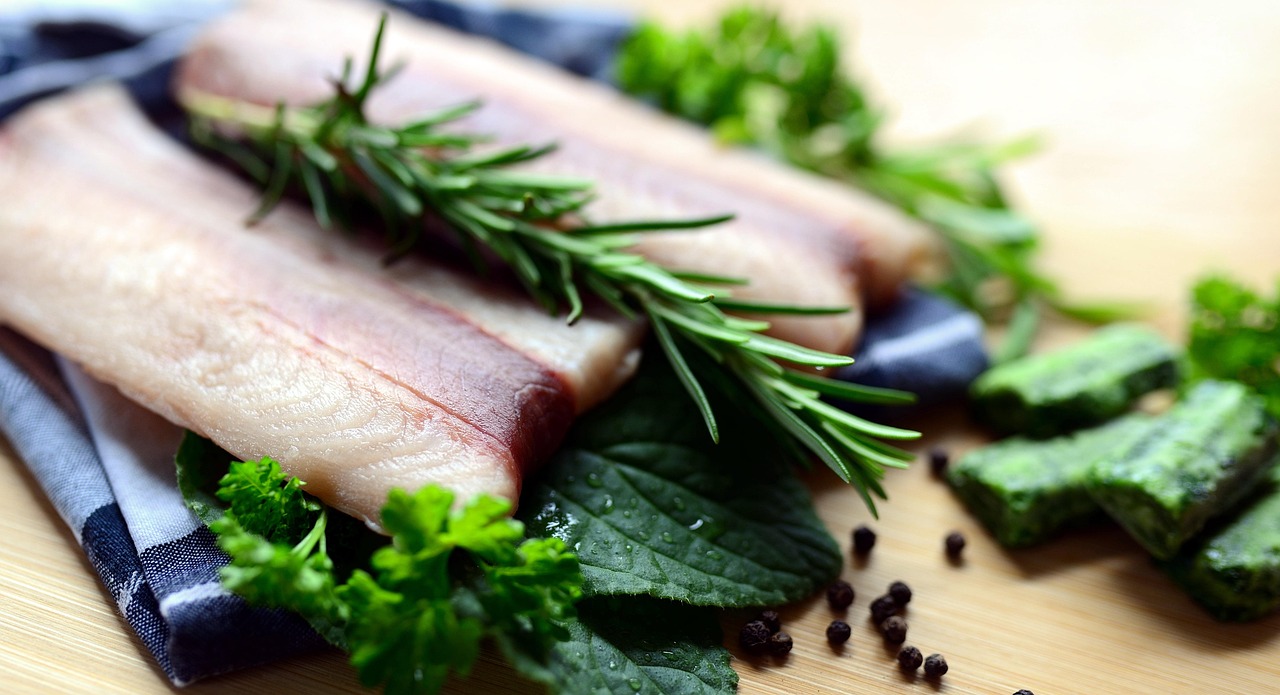
While salmon and tuna often dominate the conversation around oily fish, mackerel fillets deserve a prominent place in your weekly meal rotation. This distinctively flavoured fish offers an impressive nutritional profile, yet it remains surprisingly affordable compared to other seafood options. Mackerel fillets provide all the rich taste of the whole fish without the hassle of dealing with bones, making them a convenient choice for quick weeknight dinners or sophisticated weekend lunches.
The firm texture of mackerel holds up well to various cooking methods, allowing you to experiment with bold flavours and spices. Whether you buy them fresh from the fishmonger or convenient frozen packs from the supermarket, adding mackerel to your diet is a straightforward way to boost your nutrient intake.
Why Mackerel Is a Nutritional Powerhouse
Understanding the health benefits of what you eat helps you make better dietary choices. Mackerel fillets are packed with essential nutrients that support long-term health, making them much more than just a tasty protein source.
Essential Omega-3 Fatty Acids
Mackerel is widely recognised as one of the richest sources of omega-3 fatty acids. These essential fats are crucial because your body cannot produce them on its own; you must obtain them through your diet. Regular consumption of omega-3s supports heart health by helping to maintain healthy cholesterol levels and blood pressure. Additionally, these fatty acids play a vital role in brain function and development. Including oily fish like mackerel in your meals a few times a week is an effective strategy to support cognitive health as you age.
High-Quality Protein for Muscle Repair
Protein is the building block of life, necessary for repairing tissue and building muscle. Mackerel provides a substantial amount of high-quality protein, which helps keep you feeling fuller for longer. This satiety factor can be beneficial if you are managing your weight or trying to reduce snacking between meals. For those with active lifestyles, the protein found in mackerel supports muscle recovery after exercise, making it an excellent post-workout meal option.
Vital Vitamins and Minerals
Beyond fats and protein, mackerel is an excellent source of vitamins that are often difficult to get from food alone. It is one of the few natural food sources of Vitamin D, which is essential for immune function and maintaining strong bones. Furthermore, mackerel is rich in Vitamin B12, a nutrient that keeps your body’s nerve and blood cells healthy and helps prevent megaloblastic anaemia, which makes people tired and weak.
Simple Ways to Prepare Mackerel Fillets
One of the greatest advantages of mackerel fillets is their versatility in the kitchen. The oil-rich flesh keeps the fish moist during cooking, which makes it more forgiving than leaner white fish.
Pan-Searing for Crispy Skin
Pan-searing is perhaps the most popular way to cook mackerel because it creates a delicious contrast between the crispy skin and the tender flesh. To achieve this, heat a small amount of oil in a frying pan over medium-high heat. Season your fillets and place them skin-side down. Press them gently with a spatula for a few seconds to stop them from curling up. Cook for most of the time on the skin side until it is golden and crisp, then flip briefly to finish cooking the flesh. A squeeze of lemon juice cuts through the richness beautifully.
Making Mackerel a Staple
Mackerel fillets offer a straightforward path to better nutrition without sacrificing flavour. They are rich in omega-3s, protein, and vital vitamins, supporting everything from heart health to energy levels. With the ability to be pan-seared, baked, or grilled, they fit easily into various culinary styles. By choosing fresh fillets and storing them correctly, you can enjoy this delicious seafood regularly. Next time you are at the fish counter, pick up some mackerel fillets and discover just how simple healthy eating can be.